Rufai Oseni: FG’s CNG Fare Cut Is Another Subsidy, Unsustainable Vote-Buying Gimmick
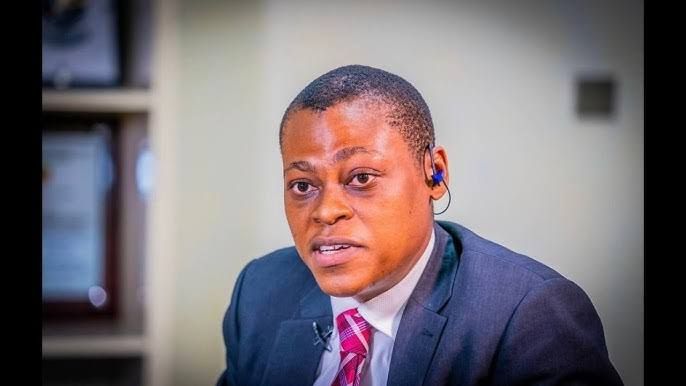
Arise TV Morning Show anchor Rufai Oseni has slammed the Federal Government’s plan to roll out CNG buses and force transport fare cuts from October, describing it as a political charade and vote-buying gimmick that won’t be sustainable after elections.
Speaking on air, Oseni said government forcing CNG producers to sell locally at reduced price is itself a subsidy.
“Government has forced the producers of CNG to sell in the local market at a reduced price. That’s a subsidy. So, the so-called alternative that we’re seeing from crude oil is a form of subsidy,” he said.
He faulted the Presidential Initiative on CNG claim of issuing about 120,000 conversion kits in a country with about 12 million cars, saying it is not up to one percent acceptance.
“You are saying the big trucks — private companies are using CNG — they should reduce transport costs. What invariably they’re just doing is that they will go and force the state governors to subsidize transport costs in their states. They’ll take the rebate, and it’s not going to be sustainable in the long run after elections,” Oseni said.
“If it was sustainable, they would have done it. All of this is another vote-buying gimmick… I can see through all of this charade easily.”
He questioned timing of the rollout from October to December ahead of January elections, and decried lack of infrastructure.
“I drive a CNG car. To fill up my CNG, I have to go miles to be able to get it. Is it up to thousands now or hundreds of mother stations and daughter stations of CNG? It’s not that pervasive,” he said.
Oseni argued state governors were being mandated to cushion effect like during COVID but will later hike costs when budgets can no longer sustain rebates, adding it was good to reduce inflation numbers temporarily but not sustainable.
“Why was this not sustainable from day one when they got in?… Free bus rides and everything — it’s next to nothing… it’s good, at least this will also reduce the inflation numbers, but how long is it going to be sustainable for?”