N1m Bounty For Direct Benefit Of Subsidy Removal Is Wrongly Framed — Kano Scholar Zahraddeen Replies KFIPM Chairman
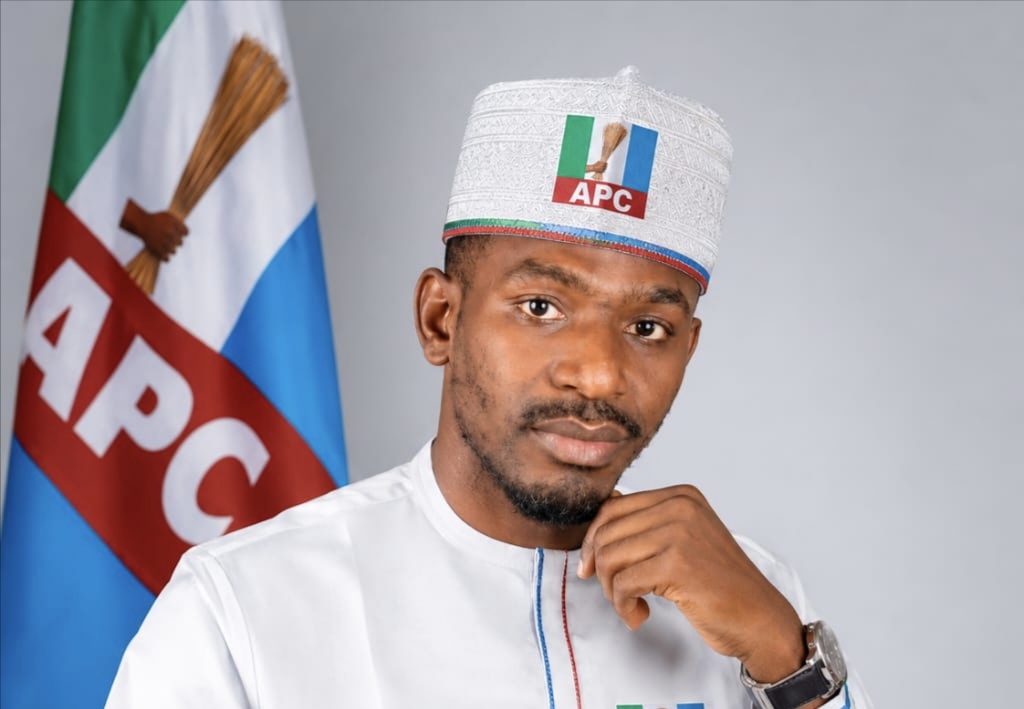
A Kano-based scholar, Zahraddeen Sufyanu (Professor of AI), Organizing Secretary of the Kano Scholars’ Assembly, has described as politically misleading the N1 million challenge thrown by a Kano activist asking APC supporters to name one direct benefit of fuel subsidy removal.
Zahraddeen said the question itself is wrongly framed because fuel subsidy removal does not deliver direct benefits into the pocket of ordinary citizens.
Reacting to the viral video by Chairman of the Kano First Intellectual Progressive Movement (KFIPM), Dr. Usman Muhammad Abdulhamid (Presido), who offered N500,000 for one direct benefit of subsidy removal and another N500,000 for one N10bn project initiated and completed by President Tinubu in Kano, Zahraddeen said the activist displayed a narrow understanding of public finance.
“If the government removes fuel subsidy and saves N1 trillion, the question is: How much of that N1 trillion goes directly into the pocket of an ordinary citizen? The answer is: Nothing directly. And that is precisely why the question is wrongly framed.”
“You cannot demand a direct benefit from a policy whose benefit is not delivered directly to citizens.”
Zahraddeen explained with an analogy, saying if a father stops paying for DSTV subscription and saves N20,000, the money remains in his pocket and his wife does not automatically receive N20,000, but if he uses the saving to buy food, pay school fees, or provide something for the family, the family benefits from the saving.
“The same applies to fuel subsidy removal. When subsidy is removed, the government does not save money and distribute the same money into citizens’ pockets. The benefit depends on how the government uses the savings, for roads, healthcare, education, infrastructure, social interventions, or other productive purposes,” he said.
He noted that demanding a direct benefit from subsidy removal reflects a narrow understanding of how government savings translate into public benefits.
“In simple terms, fuel subsidy provides a direct benefit; removing fuel subsidy does not. Its benefits are indirect and depend on how the government uses the savings to benefit citizens,” Zahraddeen added.
On the second challenge for a N10bn project in Kano, he said the President does not have to personally bring projects to every state, adding that governance responsibilities are shared across different levels of government.
Dr. Abdulhamid had in his viral video message said Nigerians are no longer moved by political slogans and want concrete reasons to support the Tinubu administration ahead of 2027, vowing to pay N1 million instantly to anyone who answers both questions with verifiable evidence.