“Heat Cannot Kill A Gold Miner” — Teen Survivor Rejects NSCDC Claim Over Death Of 37 Miners In Minna
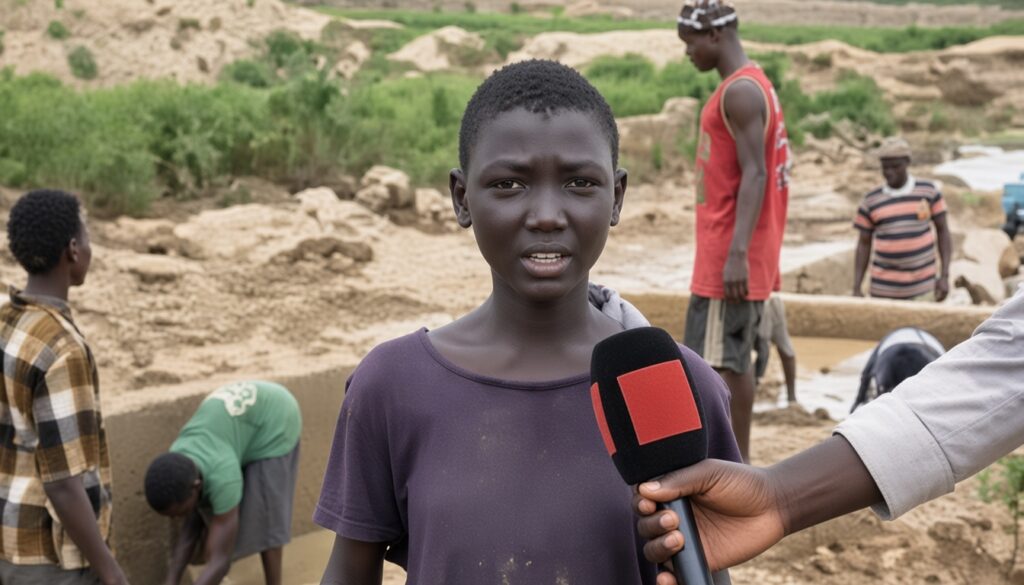
A young gold miner has challenged official claims surrounding the death of 37 miners in the custody of the Nigeria Security and Civil Defence Corps [NSCDC] in Minna, Niger State, insisting the deaths were not caused by heat.
Speaking to News Central TV at a mining site, the teenager, who did not mention his name, gave a minute-by-minute account of how the incident unfolded.
According to him, operatives of the NSCDC stormed the mining site on Tuesday, September 15, shooting and chasing miners before arresting scores of them.
“First of all, we were working, then the Civil Defence Corps came. So when they came, they started shooting and following people. Then they caught some of us. So, the next day — it was on Tuesday that they caught some of our relatives and others,” he said.
He said relatives who went to the NSCDC facility on Wednesday saw the detainees alive, but by Thursday they were told all had died and their bodies deposited at the General Hospital Minna mortuary.
“Wednesday, when we went, we saw them. On Thursday, the following day, that is on Thursday, you go there, they tell us they are all dead. They are in General Hospital Minna, the mortuary. And we don’t have access to them until you give N50,000,” he recounted.
The boy said most of the miners are educated youths under 18 years who resorted to artisanal mining to pay school fees and support their poor parents.
“All of us here, we are educated. We are not illiterate, we are educated. We help our parents in one or two. Our parents are very poor. They don’t have money; we are the ones feeding our parents. We don’t have money for school fees. Many of us, we have to work and gather money monthly so that each time we can pay our school fees,” he said.
He insisted their operations were not illegal, noting that the land owner permitted them to mine in the area.
“We are not doing illegal mining here. This owner, he owns here, allowed us to mine gold, but we should not go there. So, we used to mine here, this place. It’s not illegal mining,” he said.
The miner rejected claims that the victims died from a heat or disease outbreak, arguing that gold miners are used to harsh conditions and that overcrowding in custody was responsible.
“The Niger State Civil Defence Corps don’t have the right to be shooting gold miners. We are mining legally, not illegally. There’s no evidence that says that they should be chasing us, and we are under 18. We are not supposed to be taken inside a cell and under pressure. They said some of us died in this incident of heat — it’s not heat, that is not what I believe. Heat cannot kill a gold miner,” he said.
“Because each cell has to have two to three rooms. It’s impossible for an office to have one cell, it’s not possible. It consists of two to three cells. Why will they say they put people inside one cell?”
He called on the Niger State Government to investigate and ensure justice.
“This mining, this Niger State, there is a need to be changed in this Niger State. Niger State government should make a big investigation about this, what is happening, and there should be justice in this case,” he said.
The incident occurred on September 15-16, 2026, when NSCDC officers arrested scores of young men in the Wushishi-Lukoto axis during anti-illegal mining operations. By September 17, 37 detainees were confirmed dead in custody in Minna, triggering outrage and street protests.
While initial statements from the Corps suggested a possible disease outbreak or heat, families and survivors alleged severe overcrowding, lack of ventilation, extortion and possible use of teargas or chemical exposure inside cramped cells.
Following a directive from President Bola Ahmed Tinubu, the Minister of Interior, Olubunmi Tunji-Ojo, suspended the Niger State NSCDC Commandant, Suberu Aniviye, and 20 officers involved in the arrests and custodial oversight.
A 10-member independent investigative panel chaired by former Deputy Director-General of the Department of State Services [DSS], Jonathan Kure, was constituted with a two-week deadline to establish facts, assign responsibility and recommend sanctions and compensation.
Niger State Governor, Umar Bago, has also declared a three-day mourning period as state and federal inquiries continue.