“We Chose To Excise The Cancer, Not Morphine” — Tinubu Says Economy Grown Over 4%, Non-Oil Exports Hit Record $6bn As Emergency Treatment Ends
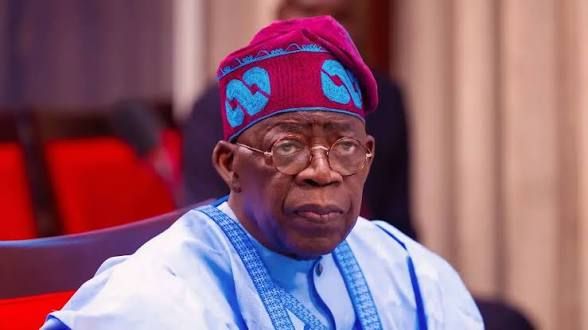
President Bola Ahmed Tinubu has defended his administration’s painful economic reforms with a striking cancer analogy, saying Nigeria was like a sick patient whose previous leaders chose morphine to dull the pain while the disease spread, but his government chose to excise the cancer.
In his October 1, 2026 Independence Day speech, Tinubu said by 2023 poverty was rising and hope was nearly gone, forcing his administration to act. “For too long, Nigeria’s leaders chose morphine while praying for a miracle that never came,” he said, noting that enormous sums were spent sustaining inefficient arrangements never intended to last.
He said the reforms that followed were difficult and the side effects were real, but “we must never confuse the medicine with the disease. Our reforms did not create the weaknesses in our economy. They confronted them.”
Three and a half years later, Tinubu said the evidence that Nigeria’s economic outlook has improved is undeniable. According to him, the economy has grown by over 4 per cent this year with both oil and non-oil sectors contributing to stable growth, oil theft down, inflation fallen substantially from its peak, foreign reserves rebuilt and foreign exchange market stabilised.
The President revealed that in 2025, Nigeria recorded its highest revenue from non-oil exports in history, exceeding $6 billion, which he described as “real money being made by real Nigerian businesses,” adding that foreign direct investment continues to rise as international observers confirm the reforms have strengthened stability.
Declaring a turning point, Tinubu said, “The emergency treatment is over. The foundation has been repaired,” adding that the central task has now shifted from correcting the nation’s course to delivering shared and widespread prosperity by bringing down the cost of living, expanding mechanised farming, building roads, railways and ports, using gas to power new industries and placing jobs and enterprises at the heart of government policy.