We Have Reduced Dependence On Oil Revenue — Tinubu Declares Gas As Centrepiece Of Energy Plan
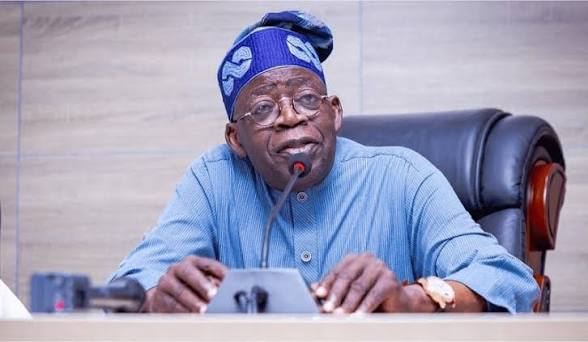
President Bola Tinubu on Tuesday said Nigeria has significantly reduced its dependence on crude oil revenue and will push the diversification drive further while making gas the centrepiece of the country’s energy plans.
Tinubu, who was represented by Vice President Kashim Shettima, spoke at the fifth anniversary of the Nigerian Upstream Petroleum Regulatory Commission (NUPRC) in Abuja.
“We have already reduced our dependence on oil revenue, and we intend to go further,” Tinubu said.
“But a diversified economy still needs energy, foreign exchange and investment, and that is where this sector serves the nation. Our gas can power homes and factories. Petroleum earnings support a stable naira and help fund the Federation.”
The President said under the Renewed Hope Agenda, his administration is building a diversified, high-growth economy where agriculture, manufacturing, and the digital and creative industries play key roles.
On energy transition, he declared this as the decade of gas:
“With the largest gas reserves in Africa, we will expand gas supply for power, industry and clean cooking, reduce flaring and methane emissions, and grow renewable energy alongside it. Nigeria will meet its climate responsibilities without sacrificing the development and energy access our people deserve.”
Tinubu noted that joint efforts by security agencies, operators, host communities and the NUPRC have made oil production steadier, adding that investors who once left Nigeria are returning, ranking the country first among Africa’s leading destinations for upstream investment for two years running.
“Investors told us plainly that good rules were not enough while costs remained high, contracting took too long and fiscal terms for complex projects were uncertain. We listened, and we acted.”
He warned that the next phase will insist on compliance and accountability:
“Operators who enjoy incentives must deliver on their commitments to work programmes, local content, the environment and host communities, and the Commission must also account publicly for its own performance.”
He described NUPRC as “the bridge between government policy and investment on the ground” and charged it to keep its processes clear and timelines reliable.
Minister of State for Petroleum Resources (Oil), Heineken Lokpobiri, said Nigeria, with crude oil production of about 1.7 million barrels per day and over 37 billion barrels of reserves, still needs more investment and licensing rounds.
NUPRC Board Chairman, Magnus Abe, credited the commission’s success to Tinubu’s leadership and shielding the regulator from political interference.