Atiku: I Will Restore Fuel Subsidy To Support Dangote, Local Refineries And Cut Transport Cost
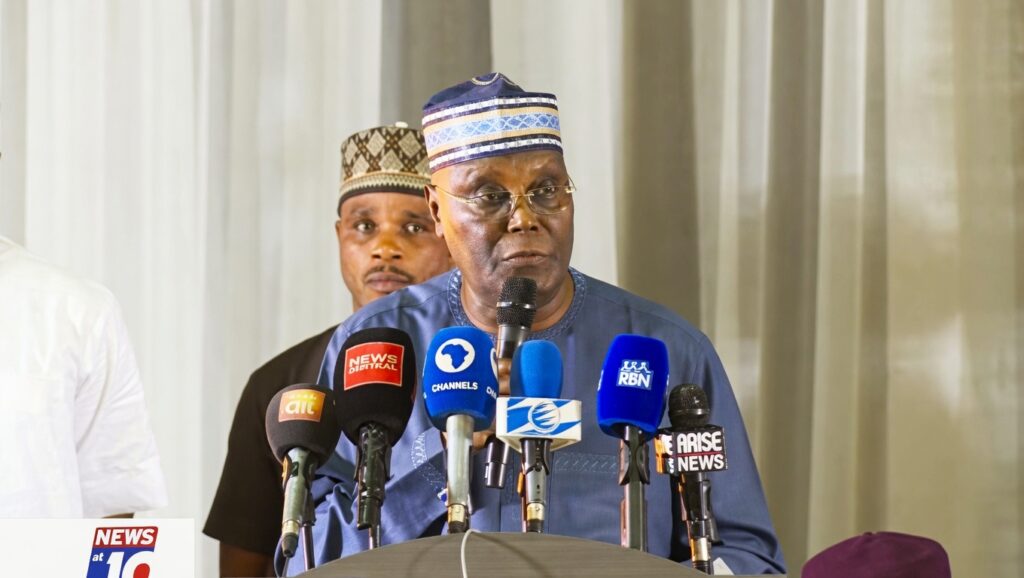
Former Vice-President Atiku Abubakar has said his plan to restore fuel subsidy is aimed at supporting local refining and reducing the cost of petrol, not subsidising imported fuel.
Atiku made the clarification in a series of posts on his X handle on Saturday, describing his proposed policy as a “production subsidy” rather than an import subsidy.
According to him, government under his plan would support crude oil refined in Nigeria to enable domestic refineries produce petrol at lower costs and pass the savings to consumers.
Explaining with an analogy, Atiku said government could either spend public funds to make imported shoes cheaper or support local shoemakers in Aba to reduce production costs, create jobs and sell at more affordable prices.
“I choose the Aba shoemaker,” he said.
He said the same approach would be applied to fuel, with government supporting domestic refining to lower production costs and make petrol cheaper.
Atiku said the policy is not only about reducing fuel prices but about easing the cost-of-living crisis by lowering transportation, food distribution and energy costs for households and businesses.
“I want the bus fare you pay every morning to come down. I want the cost of taking food from the farm to the market to come down. I want the trader to spend less. I want the barber, tailor, welder and small business owner to spend less on energy,” he said.
“I will make life affordable again. I will make Nigeria affordable again. It is a promise,” Atiku added.
In another post responding to a follower, Atiku urged Nigerians to help explain his proposed production subsidy, particularly its impact on women and families.
He said lower fuel costs would reduce transportation expenses, make it easier for women to run small businesses and potentially reduce cost of food and other household necessities.
“That is what my production subsidy is about: support what we refine here, create jobs here, reduce the cost of fuel here, and make everyday life more affordable for Nigerian families,” he said.