Bwala Admits Tinubu’s Reforms Pushed More Nigerians Into Poverty, Says Nigeria Has Made Marked Progress
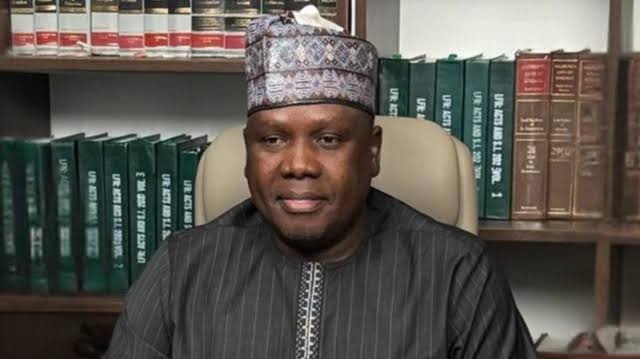
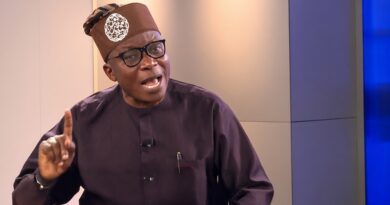
Special Adviser to President Bola Tinubu on Policy Communication, Daniel Bwala, has admitted that the administration’s economic reforms pushed more Nigerians into poverty.
Bwala spoke during an interview on Channels Television on Thursday, October 8, 2026, amid renewed debate over the impact of fuel subsidy removal and foreign exchange reforms.
“Please let it be clear even to the opposition, the reason why you have this number of poor people and some of these doomsday analytics that people are giving is because we undertook a reform. There is no part of the world where you start a reform like that there will not be discomfort,” Bwala said.
“More people went down to poverty, acknowledged, but since when the reform started to today, we have made marked progress which is what we have spent the last three years talking to Nigerians about.”
He said the increase in poverty cannot be separated from the restructuring undertaken by the administration.
“So, you cannot discount that even though there are quite a number of our population that are poor which we admit, but we have made progress so far,” he added.
The admission comes against the backdrop of disagreement among economists, opposition politicians and the Federal Government over the consequences of the reforms.
The World Bank has acknowledged improvements in Nigeria’s macroeconomic position following the reforms, including stronger external balances, improved fiscal conditions and continued growth, but warned that gains have not translated into improved living standards for millions of Nigerians.
The Bank estimated in 2025 that Nigeria’s poverty rate rose substantially in preceding years, though much of the increase occurred before the Tinubu administration came into office.
The International Monetary Fund has similarly recognised improvements in macroeconomic stability while warning that poverty and food insecurity remain significant challenges.
For many households, subsidy removal and naira depreciation translated into higher transportation, food, energy and other living costs.
Chief Executive Officer of the Centre for the Promotion of Private Enterprise, Muda Yusuf, has argued that the reforms helped restore macroeconomic stability and address longstanding distortions, but said the ultimate test would be whether gains translate into higher incomes, jobs, lower poverty and improved living standards.
The Federal Government has maintained that the measures were unavoidable because of fiscal and structural weaknesses inherited in 2023. President Tinubu has argued that continuing petrol subsidy would have left government with fewer resources for infrastructure and social services.
The administration has pointed to increased Federation Account revenues after subsidy removal. Finance Minister and Coordinating Minister of the Economy, Taiwo Oyedele, said Federal and subnational governments received increased revenues from subsidy savings between June 2023 and December 2025, but acknowledged that reducing poverty remains a major unfinished task.
The government has highlighted its social intervention programmes, student loans, consumer credit initiatives, agricultural support and CNG transportation scheme as measures to cushion the impact.