“Celebrate Them, Don’t Victimize Them”: Surgeon Defends Arrested Doctors In Abuja Kidney Harvesting Controversy
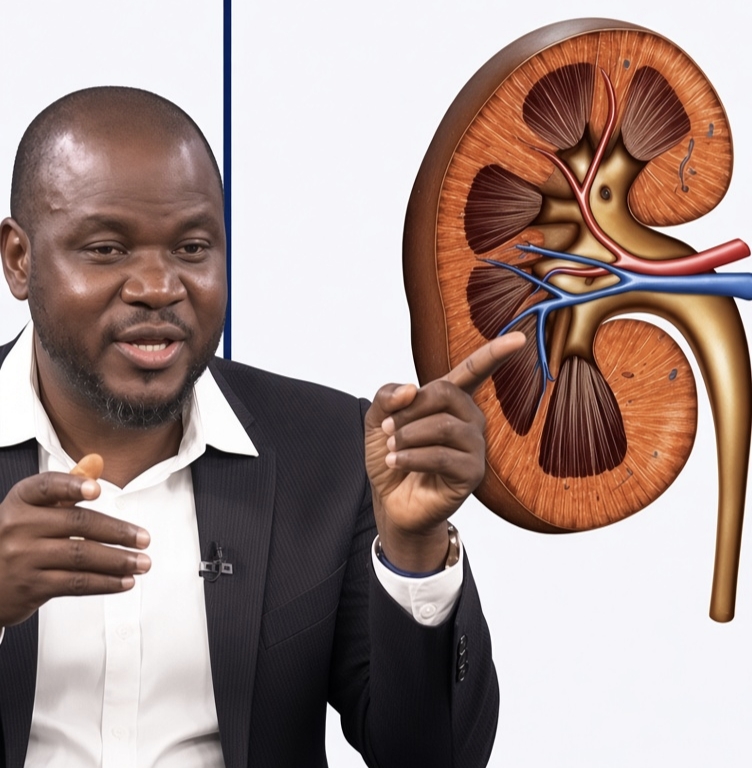
A consultant plastic surgeon based in Abuja, Dr. Tonggee Malu, has condemned the public arrest and trial-by-media of medical doctors involved in a controversial kidney transplant case, insisting that the practitioners and donors should be celebrated as heroes rather than criminalized.
Speaking live on Channels Television’s The Morning Brief, Dr. Malu strongly rejected allegations of illegal organ harvesting and trafficking in the wake of recent police actions against two medical doctors in Abuja. He argued that public discourse surrounding the case has been largely fueled by “social media mob action” rather than clinical facts or medical regulations.
A Coordinated Medical Procedure, Not Trafficking
Addressing the recent arrest and parading of medical practitioners over an alleged organ-harvesting syndicate, Dr. Malu clarified that the surgery in question adhered to the key statutory provisions governing organ donation under Nigeria’s National Health Act of 2014:
1. Age of Consent: All donors involved were adults above 18 years of age (with one reported as 23 years old).
2. Voluntary Consent & Legal Affidavits: The donors not only signed written consent forms but also executed formal court affidavits testifying that they were donating voluntarily and were fully aware of the procedure.
3. Standard Medical Environment: The surgeries were conducted in a licensed, fully equipped hospital facility by qualified surgeons and a professional medical team.
“We have not investigated the situation,” Dr. Malu said during the broadcast. “What came up first was a social media post by an activist about people’s kidneys being harvested, and the next thing we saw was police parading medical doctors who have been practicing medicine for over 20 years. That’s mob action.”
Nigeria’s Dire Kidney Disease Burden
Dr. Malu highlighted the severe health crisis facing Nigeria, citing World Health Organization (WHO) statistics showing a steep rise in deaths from chronic kidney failure:
2017: Over 13,000 deaths
2019: Over 20,000 deaths
2021: Over 25,000 deaths
Daily Impact: Approximately 50 Nigerians die every single day from kidney failure.
The surgeon noted that while patients historically traveled to countries like India or the US for organ transplants, local Nigerian medical teams have successfully conducted life-saving transplant operations. He revealed that the medical team involved in the recent controversy had successfully performed six transplant procedures this year alone without casualty.
Draws Parallels to Blood Donation and Global History
Addressing questions surrounding donor compensation, Dr. Malu compared kidney donations to daily voluntary blood donations in Nigerian hospitals, where donors are routinely compensated or reimbursed due to systemic shortages.
He noted that countries like the United States and the United Kingdom faced similar regulatory challenges in the decades following the first successful twin-to-twin kidney transplant in 1954, eventually establishing legal frameworks like the US National Organ Transplant Act of 1984. He also cited Iran, where government-coordinated organ donations permit direct financial agreements between donors and recipients to meet massive medical demand.
Call for Government Coordination Over Criminalization
Dr. Malu urged law enforcement agencies and the public to allow professional regulatory authorities—specifically the Medical and Dental Council of Nigeria (MDCN)—to assess clinical practice rather than relying on online outrage.
“Both the people who had the heart to donate a kidney and those who carried out the procedure should be celebrated,” Dr. Malu concluded. “As far as I’m concerned, they are heroes because they brought something that is saving lives to Nigeria.”