Cleric To FG: Be Courageous Enough To Regulate Religious Activities In Nigeria
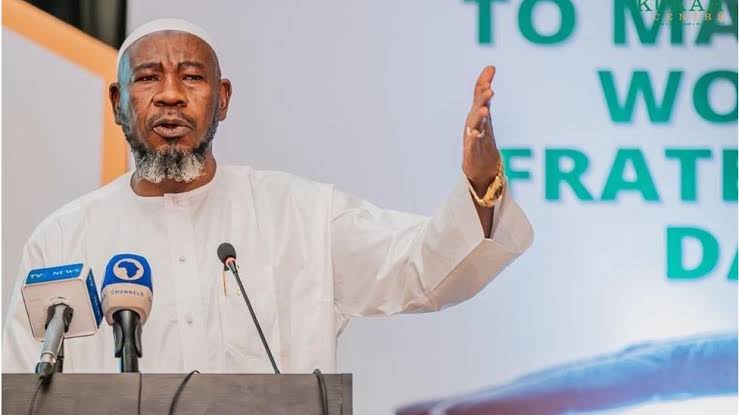
An Abuja-based Islamic cleric, Sheikh Muhammad Nuru Khalid, has called on the Federal Government to be courageous enough to regulate religious activities in the country, warning that the misuse of religion is promoting deviant acts and stalling national development.
Khalid, popularly known as the “Digital Imam”, made the call while delivering a keynote address at the launch of two books by Felix Joseph Samari in Yola, Adamawa State, at the weekend.
According to him, religion is highly practised in Nigeria, but the country has yet to achieve the level of development expected despite the solutions religion offers to human problems.
He lamented that some clerics are portraying religion in a negative light through their utterances and actions, noting that such practices are doing more harm than good to society.
“I think the government needs to be courageous enough to regulate religious activities in Nigeria because of how we implicate religion in promoting deviant acts or character,” he said.
“Any society that has more places of worship than industries will not prosper,” he added.
The cleric also urged politicians to embrace inclusiveness and citizenship in their manifestos ahead of the 2027 general elections.
He warned that politicians, particularly those seeking public office, who use religion as a campaign tool should be rejected by voters.
Khalid commended author Samari for his two books — “When My Name Wasn’t Called” and “The Implicated: Religion, Identity, and the Nigerian Condition” — saying he drew from personal experiences to encourage people to remain hopeful.
Also speaking, the Father of the Day, His Royal Majesty Kwandi Nunguraya Kuruhaye Dishon Dansanda, commended Samari for advocating peace and religious tolerance through his writings and urged politicians to conduct their activities without religious or ethnic sentiments.
In his remarks, Samari said “When My Name Wasn’t Called” explores identity, belonging and the experiences of minorities in Nigeria, while “The Implicated” examines the complex relationship between religion, identity and Nigeria’s social condition.
The reviewers, Dr Adamu Babikkoi, Dean of Student Affairs, Federal College of Education, Yola, and Dr Johnson Madi, an expert in Philosophy of Religion, praised the author for using his personal experiences to inspire perseverance.