Employer Olaleye Laments As Driver On N200,000 Spends N4,200 Daily, Half His Salary, On Transport Alone
A Lagos worker earning N200,000 a month spends about N100,000 of it on transport alone, leaving almost nothing for feeding, saving or rent.
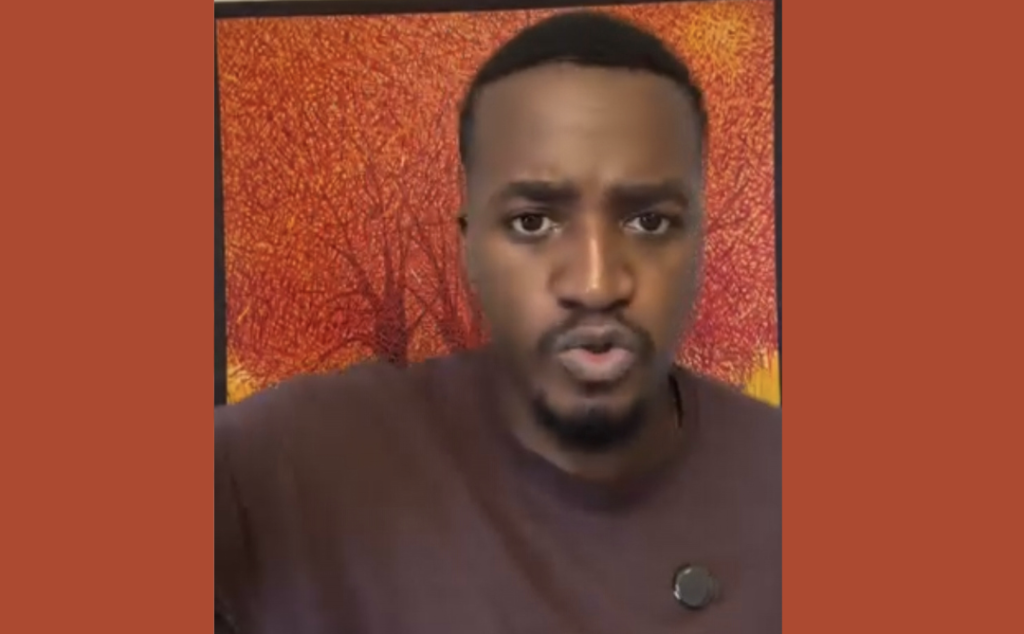
That is the central issue raised by entrepreneur and global speaker, Olushola Olaleye, in an emotional video that has sparked a national debate on the cost of living in Nigeria.
Olaleye said the reality came home to him an hour before he recorded the video, when a new driver resumed with him at his Victoria Island office.
The driver, who lives in Bariga, not too far from Bagada, told him he spent N300, then another N300, then N1,500 from Oshodi to his workplace that morning. The daily round trip, Olaleye calculated, comes to about N4,200.
“If you are spending about half of that money on transportation, roughly 100,000 naira every single month to get to work. How much is left for feeding? How much is left for saving? How much is left for your rent?” he asked.
The driver’s salary, Olaleye said, was negotiated at roughly N200,000 — about three times the minimum wage and, according to recent PiggyVest reports he cited, enough to place an earner among the top 50% earners in Nigeria.
Yet, he said, the figure is meaningless when half of it goes to transport.
“It’s not even about the capacity of the employer anymore. It is the quality of life. Things were not this bad. This is terrible. Insanely terrible. You can’t explain it away,” he said.
Olaleye said many Lagosians earn far less — some N120,000, some as low as N50,000 — and still go to work every day.
He criticised the reliance on macroeconomic indices to explain away the hardship, describing it as growth without development.
“Any indices that does not have a trickle-down effect on the quality of lives of individuals is not something to be excited about,” he said.
Beyond transport, Olaleye listed food, rent, fuel and power as compounding pressures.
On food, he said even the cheapest meals at outlets like Item 7 and Chicken Republic cost at least N3,500, while roadside sellers are also buying rice at astronomically high rates, with chicken on the rise, and spending heavily to fuel generators to power freezers.
On power, he said he now spends almost N1 million every month on fuel and power-related costs — about N400,000 to fuel his car, about N80,000 weekly to fuel his generator, plus high power bills, despite having a solar power system.
On rent, he said there has been a serious hike in prices, but questioned whether landlords should be blamed when they too are caught in the same economy.
“It just feels like a cornucopia of one mess after another,” he said.
He contrasted the hardship with displays of wealth on social media, including brand new 2026 Toyota Land Cruiser Prados worth N180 million being given to people who, in his words, do not put in up to 10% effort like the average Nigerian citizen.
“In the midst of this excruciating poverty, the squalor is so palpable. It has never been this worse than it is right now in this country,” he said.
On the personal dilemma, Olaleye said the average driver in Lagos earns N150,000. He had raised his own driver’s pay to N200,000, plus perks, but said life cannot be built on perks, only on what is on paper.
“How much am I supposed to pay my driver? How much? 500K, 400,000 for them to live at least comfortably?” he asked. “Will I pay my driver 500,000 every month? Do I even have that to pay?”
He said the driver does not even have a family yet, and wondered how a man with two or three children would cope in the same situation.
Olaleye said his personal team alone, excluding business staff, is about 15 people doing direct work with him.
“So how much — how many millions of naira do you want me to spend to make my people feel so comfortable? I care about them and this is too much. It’s too much,” he said.
He concluded that the issue has moved beyond politics to humane questions.
“At this juncture, I think it has now left political conversations. It is now people have to answer humane questions. Why? Which way? Which way, Nigeria? Which way? How are people surviving?”
Watch the video: Click Here