2027: SDP’s Adewole Adebayo Vows To Crash Petrol, Cooking Gas, Jet A1 To N200/Litre Within 12 Months
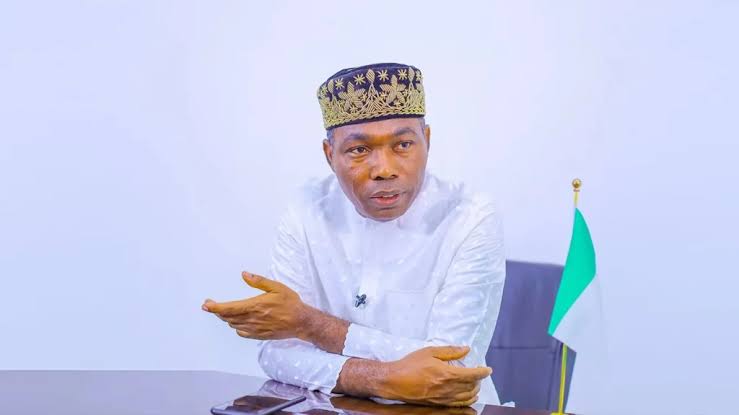
The presidential candidate of the Social Democratic Party, SDP, Prince Adewole Adebayo, has promised to reduce the prices of petrol, cooking gas and aviation fuel, Jet A1, to N200 per litre if elected president in 2027.
Adebayo made the pledge while featuring on the News Agency of Nigeria, NAN, Personality Interview Series in Abuja on Sunday.
He said the proposed reduction would be achieved within 12 months through the revival of Nigeria’s existing refineries and the creation of an enabling environment for modular refineries to operate.
According to him, the country’s refineries, despite being decades old, remain serviceable and can be rehabilitated to meet domestic fuel needs. He cited refineries in the United States that are more than 100 years old but remain operational as evidence that age alone should not render Nigeria’s refineries obsolete.
Adebayo also promised to restore what he described as the original subsidy regime, under which 450,000 barrels of crude oil were reserved for domestic consumption.
He said other products derived from the crude, including naphtha, heavy fuel oil, diesel and kerosene, would be sold, with the proceeds used to maintain the price regime.
“SDP will pick cooking gas, petrol and Jet A1; those three, we will put them under a regime where the price does not go past N200,” he said.
He added that the party would work with the National Assembly to establish a mechanism through which revenue from other petroleum derivatives could be used to support the proposed price regime.
Adebayo said Nigerians would not have to contend with the issue of fuel subsidy under an SDP administration, arguing that subsidy should not be treated as a government economic programme, and dismissed the argument that subsidy removal alone would resolve the country’s fiscal challenges, describing the debate as a “red herring.”
The SDP candidate linked his proposed fuel price reduction to a broader transportation policy that would expand public transport and rail services, proposing a system where workers and students would access public transportation through ID cards while employers contribute six per cent of workers’ salaries towards transportation.
“The summary of it is that transportation costs cannot go more than six per cent of your salary and housing costs should not be more than seven per cent of your salary; education and healthcare should be free,” he added, while also pledging to prioritise agriculture and food security.